Ukraine’s energy resilience in winter 2026–2027: what the new IEA report means for businesses
The new IEA assessment puts equipment readiness in focus. For businesses, it is a reason to review the full backup scenario, from critical loads to the restoration of operations.
A new assessment before winter
On 4 November, the International Energy Agency released Ukraine’s Energy Security 2026, an assessment of the country’s preparedness for winter 2026–2027. It covers developments through October 2026 and proposes measures to strengthen energy resilience. [1]
The agency recognises the expansion of distributed generation and energy storage while maintaining its assessment of power-shortage risks. Near-term priorities include making better use of existing resources and bringing delivered equipment into operation faster. [2]
Why businesses should assess the whole system
The IEA recommendations connect site preparation, network checks and installation with procurement. They also highlight the potential for batteries and demand management to help at peak times. [3]
SBEW’s practical takeaway is to assess backup power by its readiness to support a defined process. Equipment delivered to a site, installation completed and an operating scenario verified are distinct milestones. Each needs an owner, a completion criterion and a clear result.
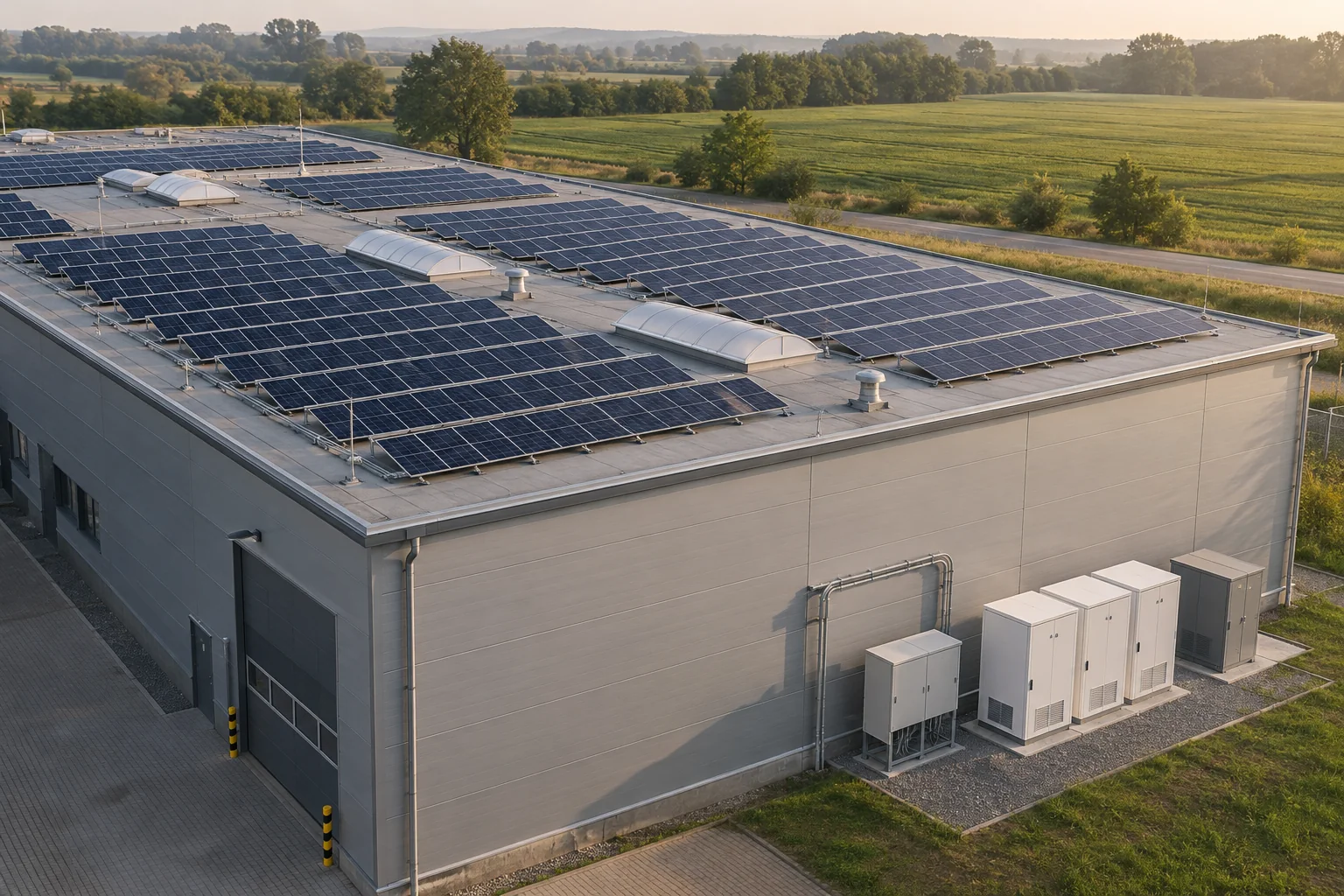
For a refrigerated warehouse, the objective might be to keep specified refrigeration units and controls operating for an agreed period. A manufacturing facility might instead prioritise the controlled shutdown of a particular line. These descriptions create a useful technical brief without assuming that the entire site must operate in the same way.
What to review in business backup power
Start with a brief review of the documentation and site requirements. Technical tests should be planned by the specialist responsible for the facility’s electrical systems.
- Critical loads: which processes must continue, which can wait and which require a controlled shutdown.
- Power and duration: the simultaneous load to be supported and the required backup period.
- Transfer: the interruption equipment can tolerate and how that requirement is verified.
- Restoration: the sequence for restarting processes when the main supply returns.
BESS: define the battery’s role first
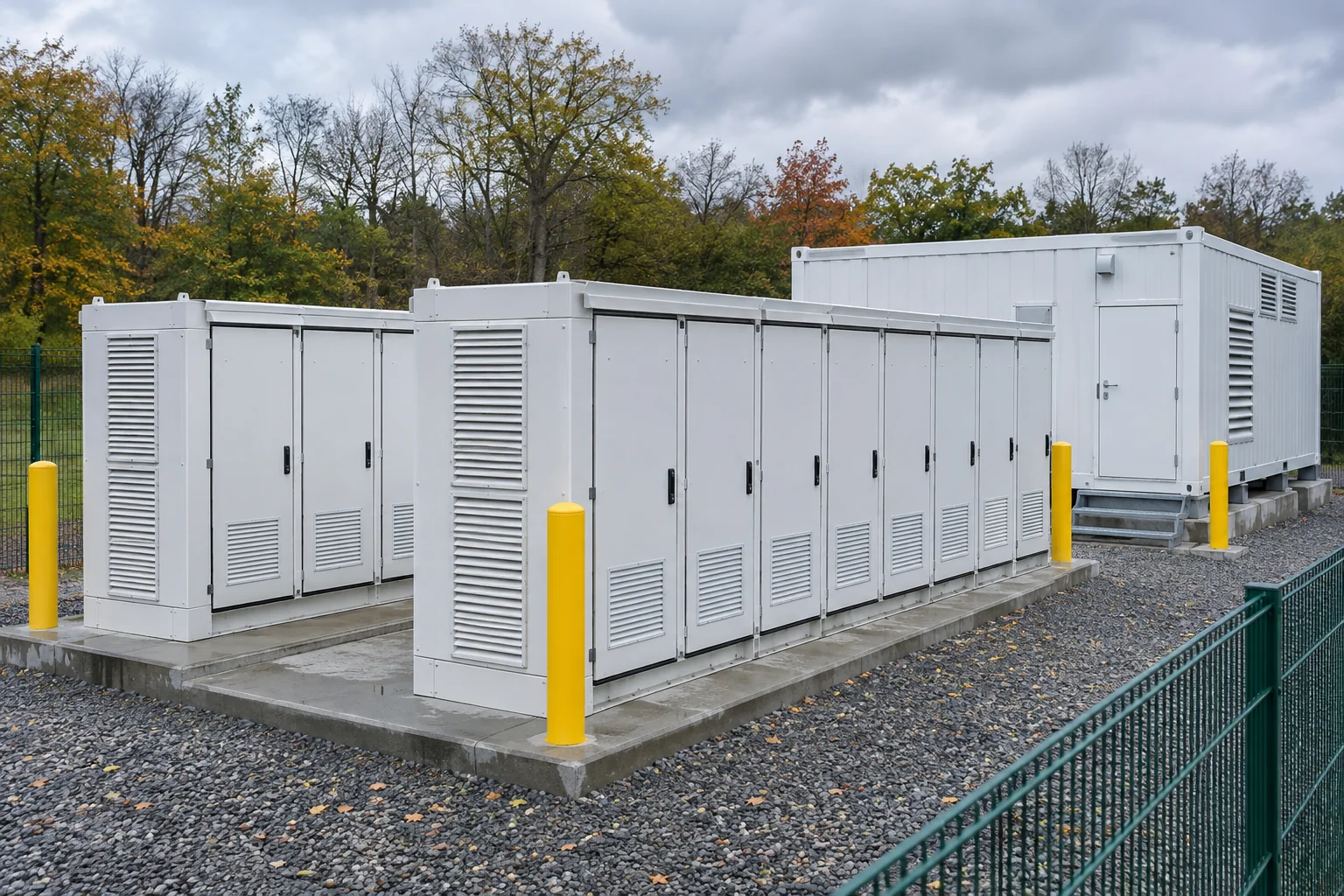
When discussing an industrial BESS, record requirements for normal operation and emergency reserve separately. How much energy can be used routinely? What portion should remain available for critical loads? Who controls changes to these settings?
The answers help compare proposals on the same basis. Bring a consumption profile, details of existing generator and solar equipment, and a list of unknown parameters to the discussion. This separates the business requirement from the initial assumptions used in a calculation.
From the news to an action plan
The IEA report provides the national context. At an individual business, the next step is to identify critical processes and check whether the current backup arrangement meets their requirements. The SBEW calculator helps compare initial BESS scenarios; the selection questionnaire captures the inputs for a focused engineering discussion.
Common questions
Does the IEA report forecast our facility’s outage schedule?
No. It assesses power-system risks rather than specific outage hours. A backup scenario should be based on the facility’s operational requirements.
Where should we start if backup equipment is already installed?
Update the critical-load list and the documented operating scenario. The responsible specialist can then determine which checks are needed.
Sources and context
Prepared by the SBEW editorial team using the sources below. Practical implications for businesses are editorial explanations.