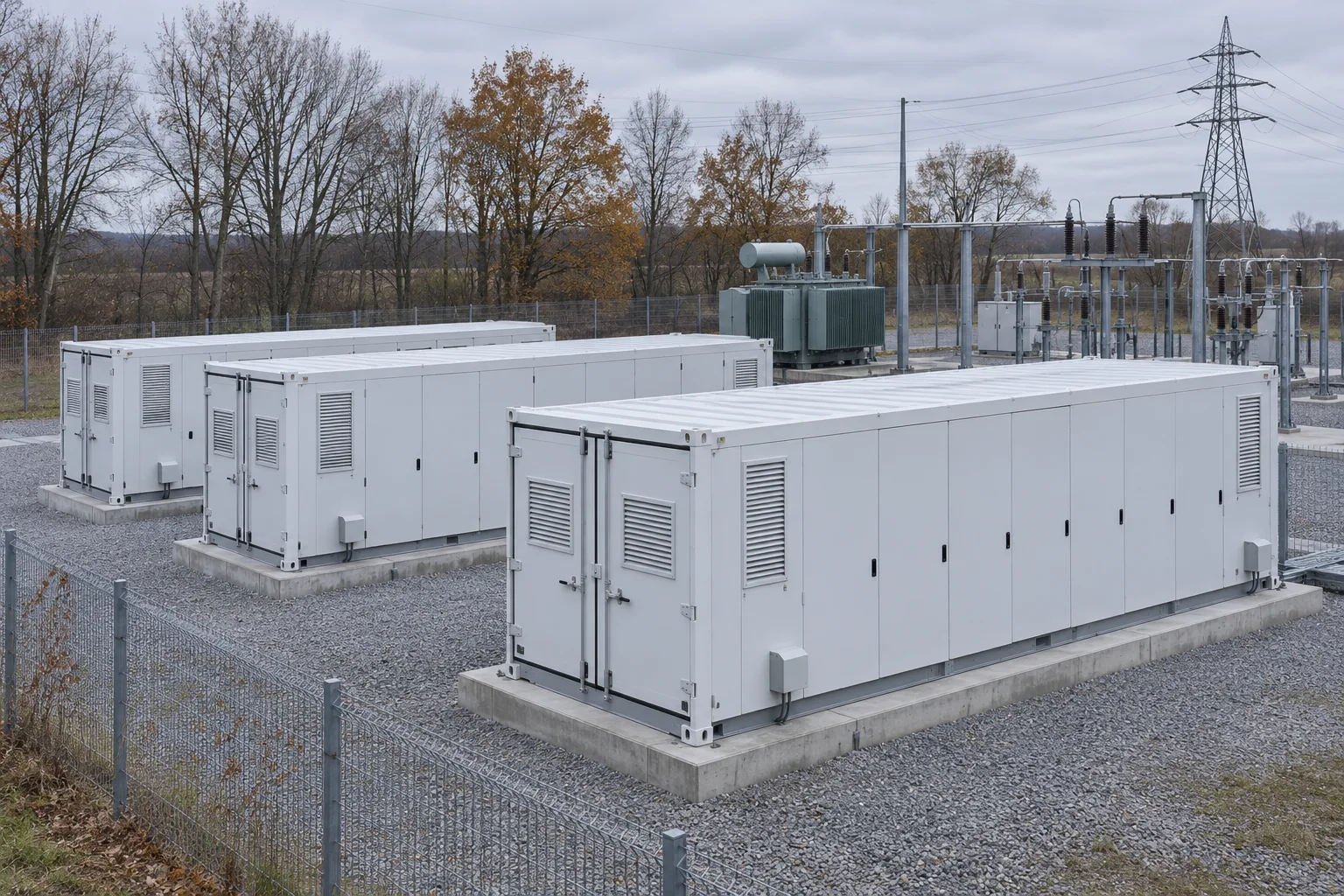
Battery storage on Ukraine’s transmission grid: what NEURC proposes to change
On 27 November, Ukraine’s regulator published draft Transmission System Code amendments covering service volumes and charges for storage connected directly to the transmission system operator’s network. Comments are open through 21 December 2026.
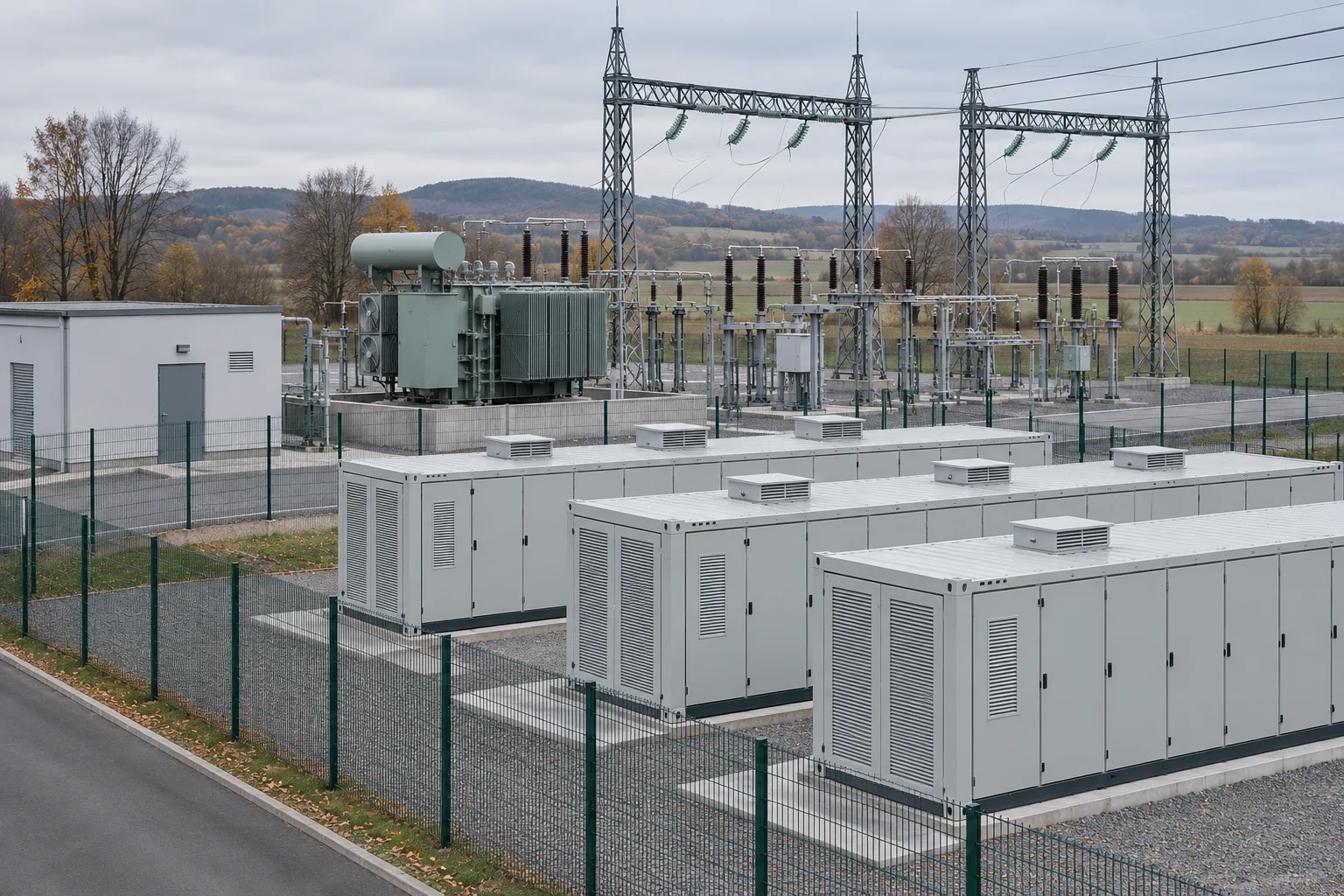
Which installations the draft covers
The draft links the Transmission System Code with a separate fee methodology for energy storage operators. The proposed provisions on transmission service volumes and charges concern installations connected directly to the transmission system operator’s network. NEURC also published companion amendments to the tariff-setting procedure. [1] [2] [3]
The draft would explicitly provide for transmission services under a contract between the transmission system operator and an aggregator. Projects considering participation through an aggregator should clarify which party signs each contract and how the charges would be allocated. [1]
How this relates to distribution charges
NEURC previously published amendments concerning storage in the Distribution System Code. Start with the technical connection terms to identify the relevant network operator and the party that pays for its services. That determines which code provisions and contracts to examine. Our earlier article covers fee bases and transitional eligibility. [3] [4]
What to gather for the financial model
List the services relevant to the connection, confirm who controls the metering point and identify the named payer on each contract. For scenario modelling, record imported and exported volumes, the charging base and the applicable rate separately. Consultation on the methodology ends on 7 December and the transmission consultations end on 21 December 2026, both dates inclusive. [1] [2] [3]
Common questions
Has NEURC set a new transmission tariff for all batteries?
These are proposed amendments to the code and the tariff-setting procedure. Check the applicable regulator decision and your contract for current rates.
What if the BESS connects to the distribution network?
Review the distribution system operator’s connection conditions, settlement metering rules and applicable contract for that project.
Sources and context
Prepared by the SBEW editorial team using the sources below. Practical implications for businesses are editorial explanations.
- NEURC — draft Transmission System Code amendments — opens in a new tab
- NEURC — draft changes to the transmission tariff-setting procedure — opens in a new tab
- NEURC — draft methodology for energy storage operator fees — opens in a new tab
- SBEW — battery storage grid charges and a worked example — opens in a new tab