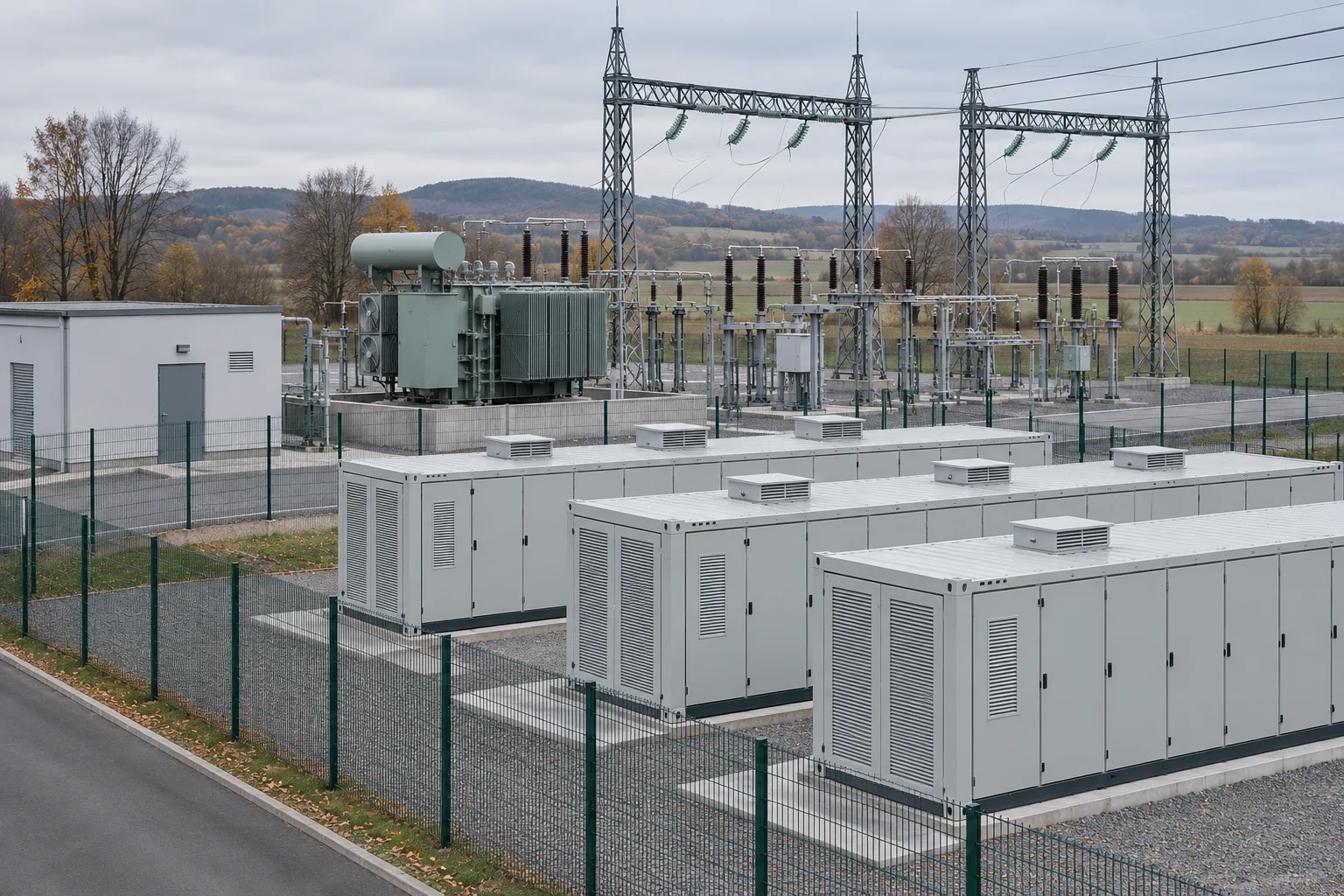
Ukraine’s proposed battery storage grid fees and what they mean for payback
Ukraine’s energy regulator has opened a consultation on changes to the Distribution System Code. A 5 MW / 10 MWh example shows how the fee base affects project costs.
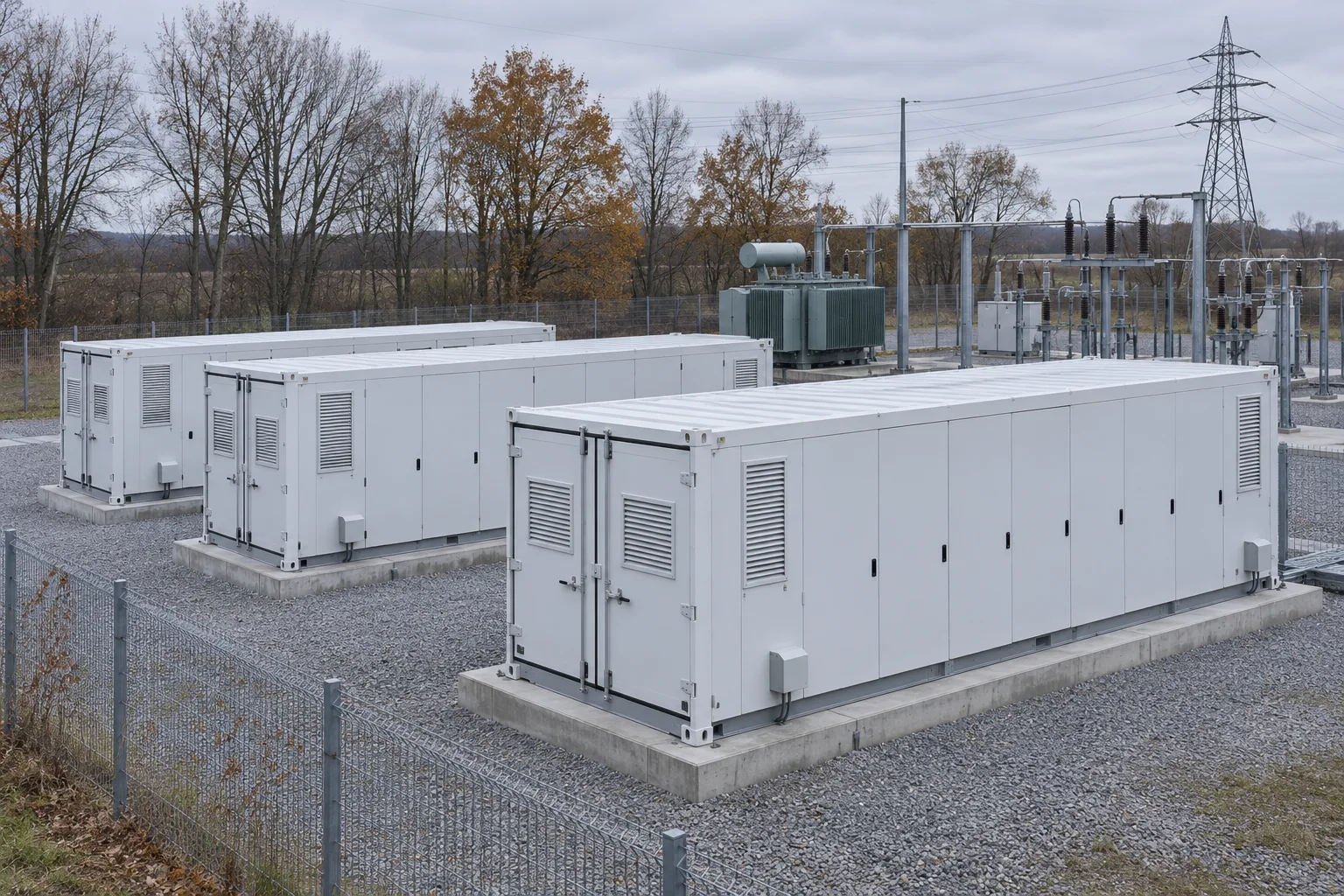
What the regulator has published
On 26 November 2026, Ukraine’s energy regulator, NEURC, published draft amendments to the Distribution System Code covering how network service volumes and charges are determined for energy storage operators. The amendments align the code with a separate methodology prepared under Law No. 4834-IX. The methodology concerns market participants who pay for the relevant services directly under their contracts. [1] [2] [4]
Both texts are under consultation as of 26 November. Comments on the methodology are due by 7 December 2026 and comments on the Distribution System Code amendments by 21 December 2026, both dates inclusive. [1] [2]
Which projects could qualify for transitional terms?
For qualifying storage installations, the fee base for the applicable network and dispatch services is the absolute difference between monthly electricity imports from and exports to the grid. Monthly netting already formed part of the existing rules for certain storage installations. The drafts clarify how it would continue to apply. [2] [3] [5]
For battery projects, the dates are commissioning by 30 April 2027 or commissioning by 30 April 2028 if valid technical connection terms, site or property rights and authorisation to carry out construction works are in place as of 30 April 2027. The draft eligibility procedure provides for confirmation by the network operator and sets 30 April 2037 as the end date for these terms. [2] [3]
Worked example for a 5 MW / 10 MWh BESS
Suppose a settlement meter records 300 MWh imported and 255 MWh exported in one month. The absolute difference is 45 MWh. At an illustrative rate of UAH 1,000/MWh, a charge for one service on that difference would be UAH 45,000.
For a sensitivity check, applying the same rate to all 300 MWh imported gives UAH 300,000. The rate and the second scenario are assumptions used to isolate the effect of the fee base. A project payback model also needs electricity purchase costs, sales revenue, operating costs and battery degradation. An earlier SBEW article shows how a system of this size could dispatch on the day-ahead market. [6]
What to include in the financial model
Record the connection configuration, metering point, export rights and the party paying for each service. Model hourly imports and exports, then apply the fee base and rates that correspond to the project’s connection and contracts.
For a battery serving on-site consumption, the economics depend on how much grid electricity the business can avoid buying during expensive hours. Energy delivered to an on-site load cannot automatically be counted as an export to the grid. The SBEW calculator helps estimate system power, capacity and operating mode. Confirm grid charges for the individual site separately.
Common questions
Are the published changes already in force?
As of 26 November 2026, the methodology and Distribution System Code amendments remain under consultation. For current charges, check the applicable rules, contract and connection configuration.
Does monthly netting apply to every battery system?
The applicable rules depend on the operator’s status, connection terms and contracts. Transitional treatment requires separate confirmation of eligibility.
Sources and context
Prepared by the SBEW editorial team using the sources below. Practical implications for businesses are editorial explanations.
- NEURC — proposed amendments to the Distribution System Code — opens in a new tab
- NEURC — draft methodology for fees paid by energy storage operators — opens in a new tab
- NEURC — draft procedure for confirming eligibility — opens in a new tab
- Parliament of Ukraine — Law No. 4834-IX — opens in a new tab
- NEURC — earlier amendments to the Transmission System Code — opens in a new tab
- SBEW — day-ahead electricity prices and payback for a 5 MW / 10 MWh BESS — opens in a new tab