Backup power for hospitals in Ukraine: how to size battery storage
Ukraine is strengthening hospital backup power. Learn how UPS, battery storage and generators work together, with an example of how to estimate runtime.

What Ukraine’s Ministry of Health reported on 23 November
Ukraine’s Ministry of Health and the Council of Europe Development Bank discussed implementing a project to strengthen hospital energy resilience. The planned procurement includes uninterruptible power supplies (UPS), voltage stabilisers, batteries and inverters. [1]
A separate Ministry of Health and UNICEF initiative is installing solar systems with batteries and inverters for 98 healthcare facilities across 14 regions. [2]
How UPS, battery storage and generators work together
Start by identifying which systems the hospital needs to keep running during an outage. In addition to medical devices, these may include refrigeration for vaccines and medicines, communications and the building services that critical departments depend on. Clinical and engineering teams define the load, required runtime and permissible interruption for each group. [3]
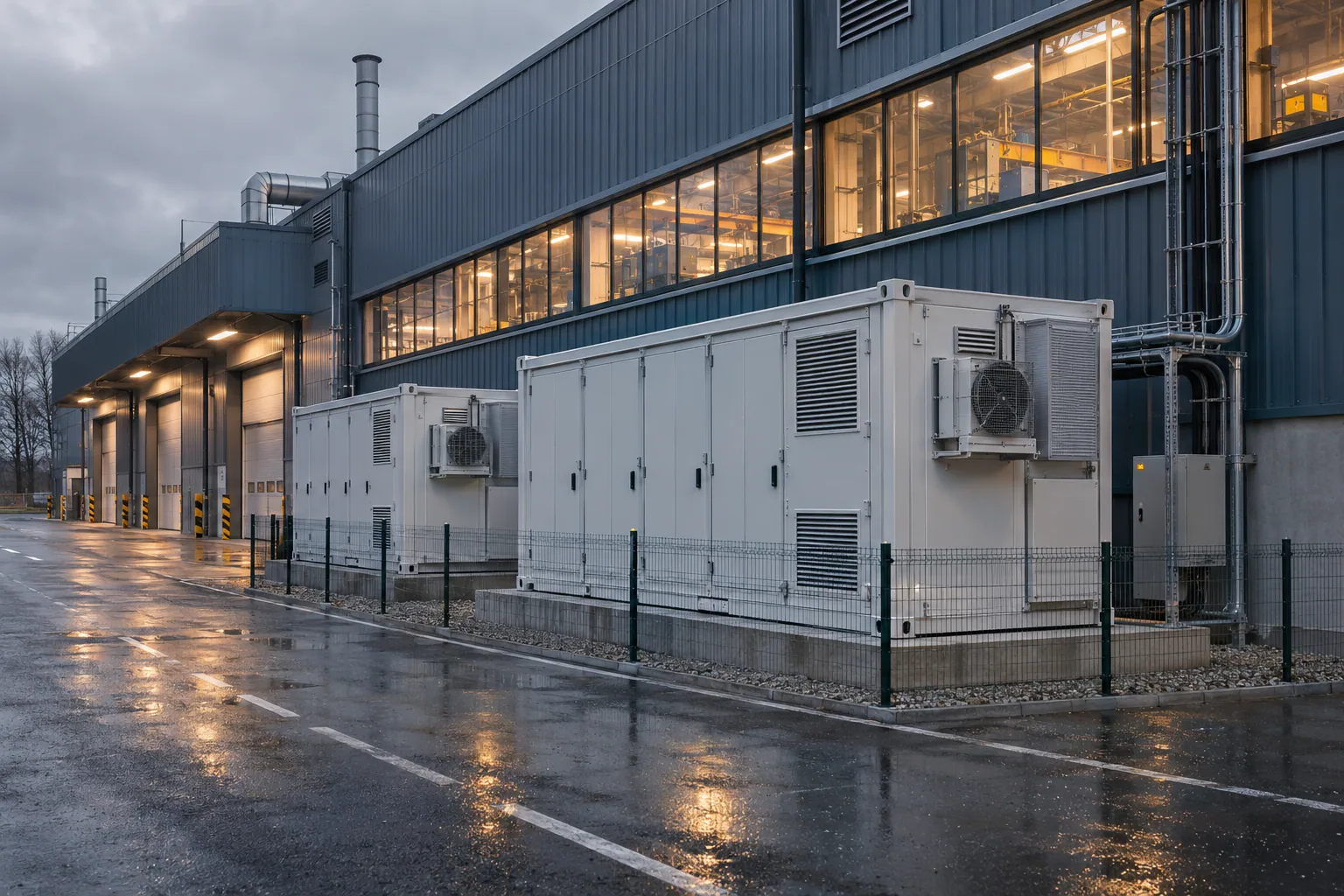
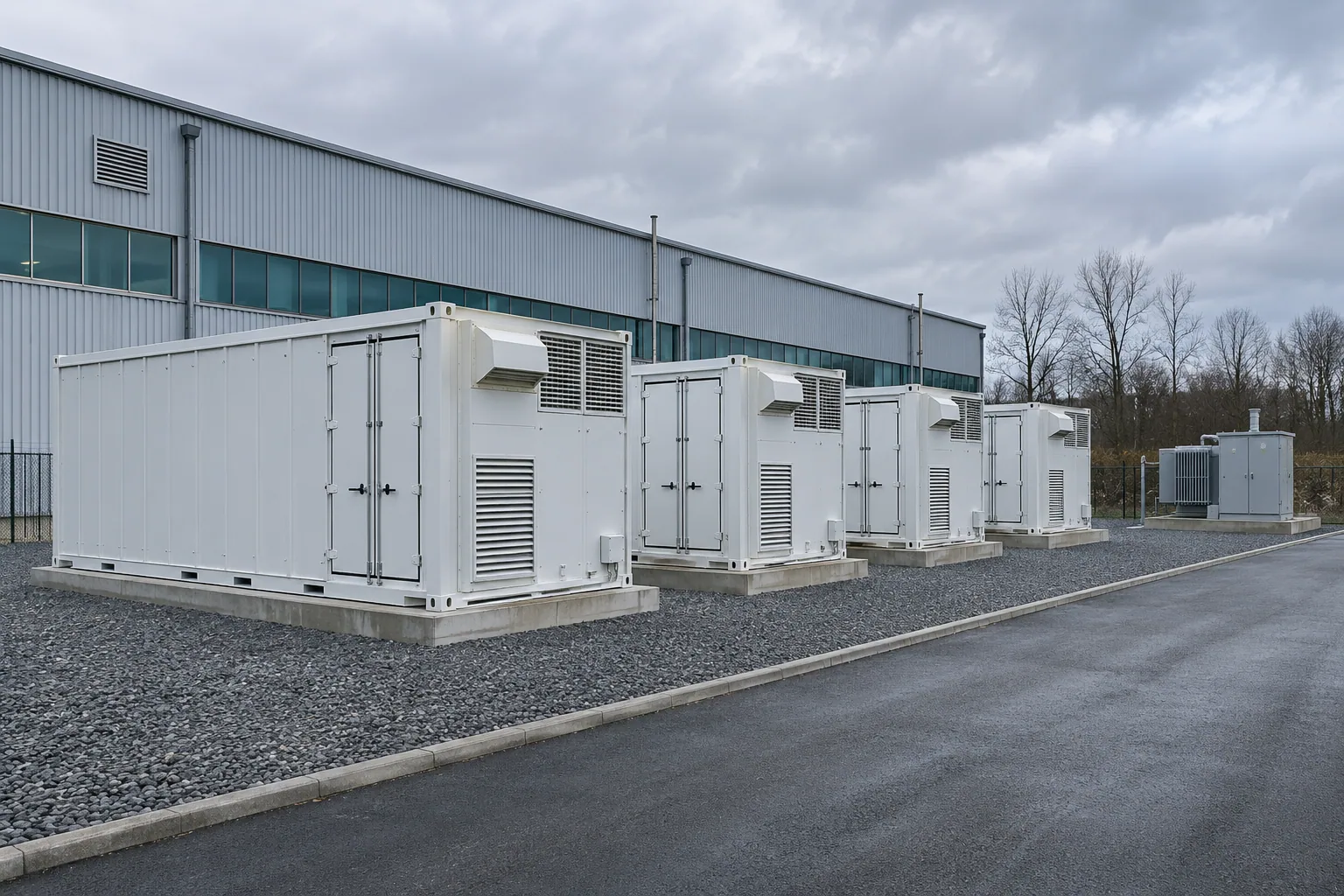
A UPS supports circuits that are sensitive to interruptions. A battery energy storage system (BESS) can supply designated circuits in islanded mode if the design allows it. A generator provides longer-duration backup when fuel and maintenance are in place. Solar can replenish the battery during the day if the electrical system is designed to operate safely while disconnected from the grid.
Worked example: four hours of power for critical circuits
Assume designated critical circuits draw an average of 400 kW. Supplying them for four hours requires 400 kW × 4 h = 1,600 kWh, or 1.6 MWh, of usable AC output. This illustrative calculation assumes no contribution from solar or the generator.
Size the power converter separately using measured peaks and equipment starting characteristics. Estimate battery nameplate capacity by allowing for losses, the usable state-of-charge window, temperature and capacity fade. For repeated outages, check whether the system has enough time to recharge.
What to gather before design
Start with the electrical single-line diagram, a list of critical circuits, measured demand on those circuits, and specifications for existing UPS units, generators and switching equipment. The SBEW calculator lets you compare preliminary load, capacity and backup duration scenarios.
For a real hospital, the designer must confirm supply reliability categories, switching requirements, protection and equipment siting. Commissioning should verify the integrated system under grid loss and restoration scenarios. Current Ukrainian healthcare building rules apply to new construction, reconstruction and major renovation. [4]
Common questions
Can BESS replace a hospital UPS?
That depends on how the designated circuits are designed. Where equipment can tolerate only a brief interruption, the designer must verify the transfer performance of the complete system.
What determines how long hospital batteries can supply power?
Actual connected load, usable energy at the output and state of charge when the outage begins. For consecutive outages, the available recharge window also matters.
Sources and context
Prepared by the SBEW editorial team using the sources below. Practical implications for businesses are editorial explanations.
- Ministry of Health of Ukraine: hospital backup power project with the Council of Europe Development Bank — opens in a new tab
- Ministry of Health of Ukraine: solar systems for 98 healthcare facilities with UNICEF — opens in a new tab
- WHO and partners: Energizing Health, assessing healthcare facility energy needs — opens in a new tab
- Ukraine’s construction portal: current building rules for healthcare facilities — opens in a new tab