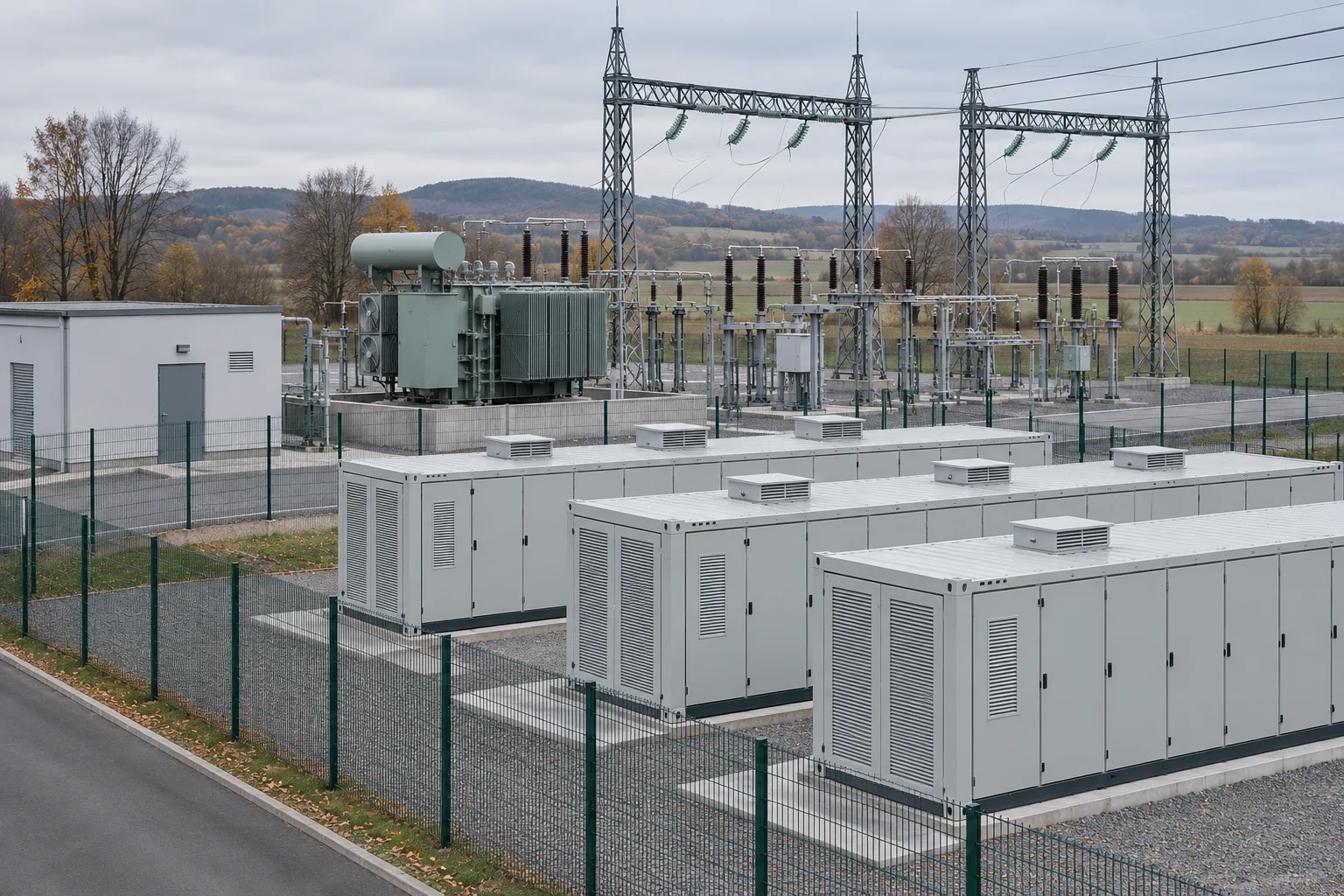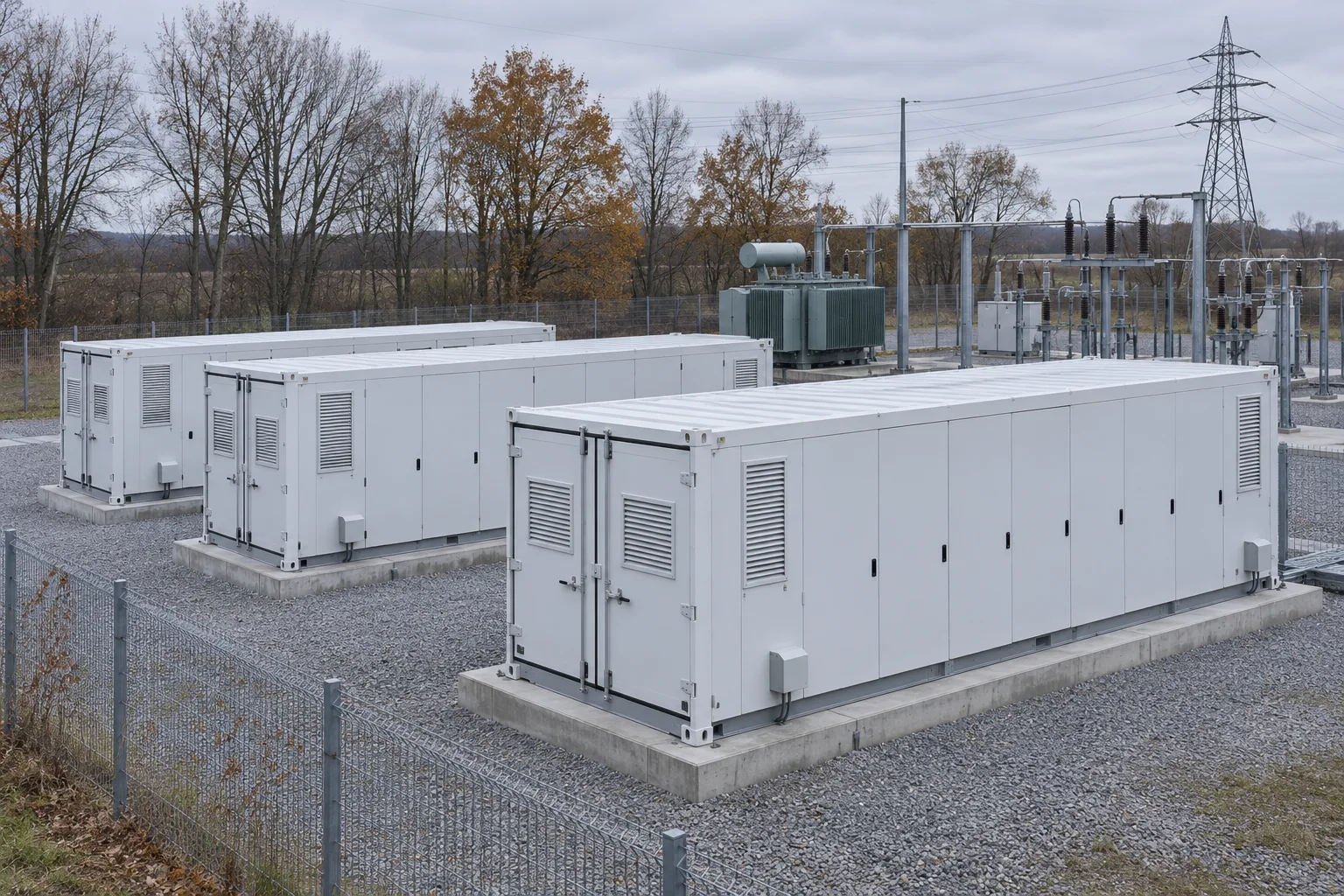
Negative prices in Ukraine’s balancing market and what they could mean for industrial BESS
On 27 November, Ukraine’s energy regulator published draft Market Rules amendments covering negative-price transactions and a service to incentivise electricity consumption in the balancing market. It is accepting comments through 7 December 2026.
How the proposed mechanism would work
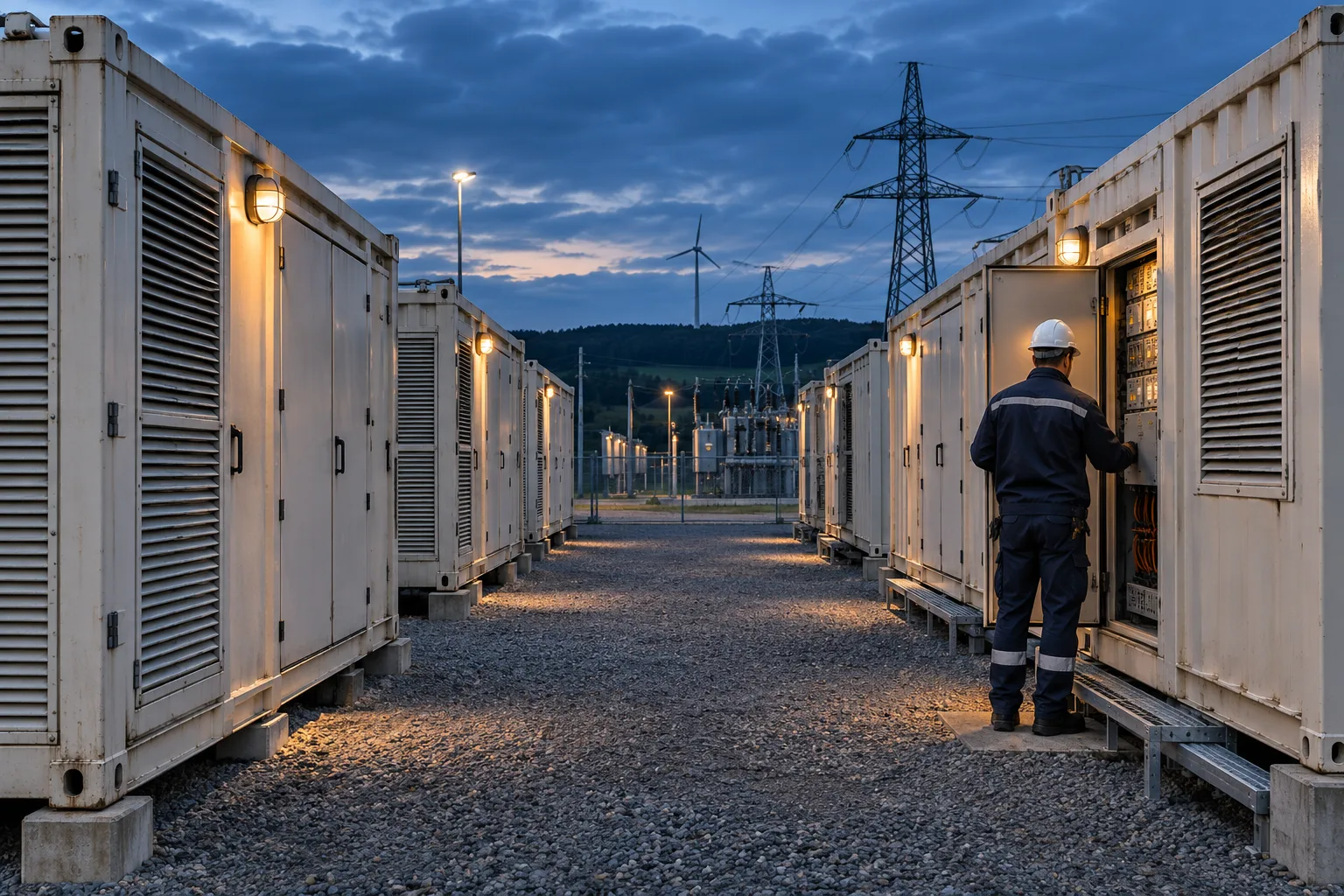
The balancing market helps the transmission system operator match generation and consumption in real time. When the grid needs higher demand, a controllable load can provide that flexibility. NEURC’s proposal would introduce a negative-price mechanism for this purpose. [1]
A battery could draw more electricity by starting to charge or raising its charging power. It would need sufficient connection capacity, spare battery capacity and a way to verify the electricity actually drawn. Eligibility and settlement will depend on the final rules and participation requirements. Our day-ahead article discusses a separate use case: shifting energy from lower-price to higher-price hours. [1] [3]
Worked example for a 5 MW / 10 MWh battery
Assume a BESS can increase its grid draw by 5 MW for one hour. That gives 5 MWh at the metering point. At an illustrative price of −UAH 500/MWh, the absolute value of the settlement for that volume would be UAH 2,500. The actual payment would depend on the final rules, verified volume and participation terms. The example rate is an assumption.
Model network charges, round-trip losses, battery wear and revenues from other operating modes separately. If the site keeps part of the battery for backup, check how much charging power and spare capacity would still be available when an instruction arrives. [2]
What to check before modelling payback
Gather the permitted grid draw at the connection point, ramp rates and required reserve. Run the project model under existing conditions and then with a separate activation scenario under the proposed mechanism. That shows how sensitive payback is to the future rules.
Common questions
Are negative prices under this procedure already in force?
NEURC has published a consultation draft. Use current rules in the base financial model and test negative-price activations separately.
Does the proposal change ordinary electricity bills?
The draft covers transactions in the balancing market. Retail bills follow the terms of the electricity supply contract.
Sources and context
Prepared by the SBEW editorial team using the sources below. Practical implications for businesses are editorial explanations.